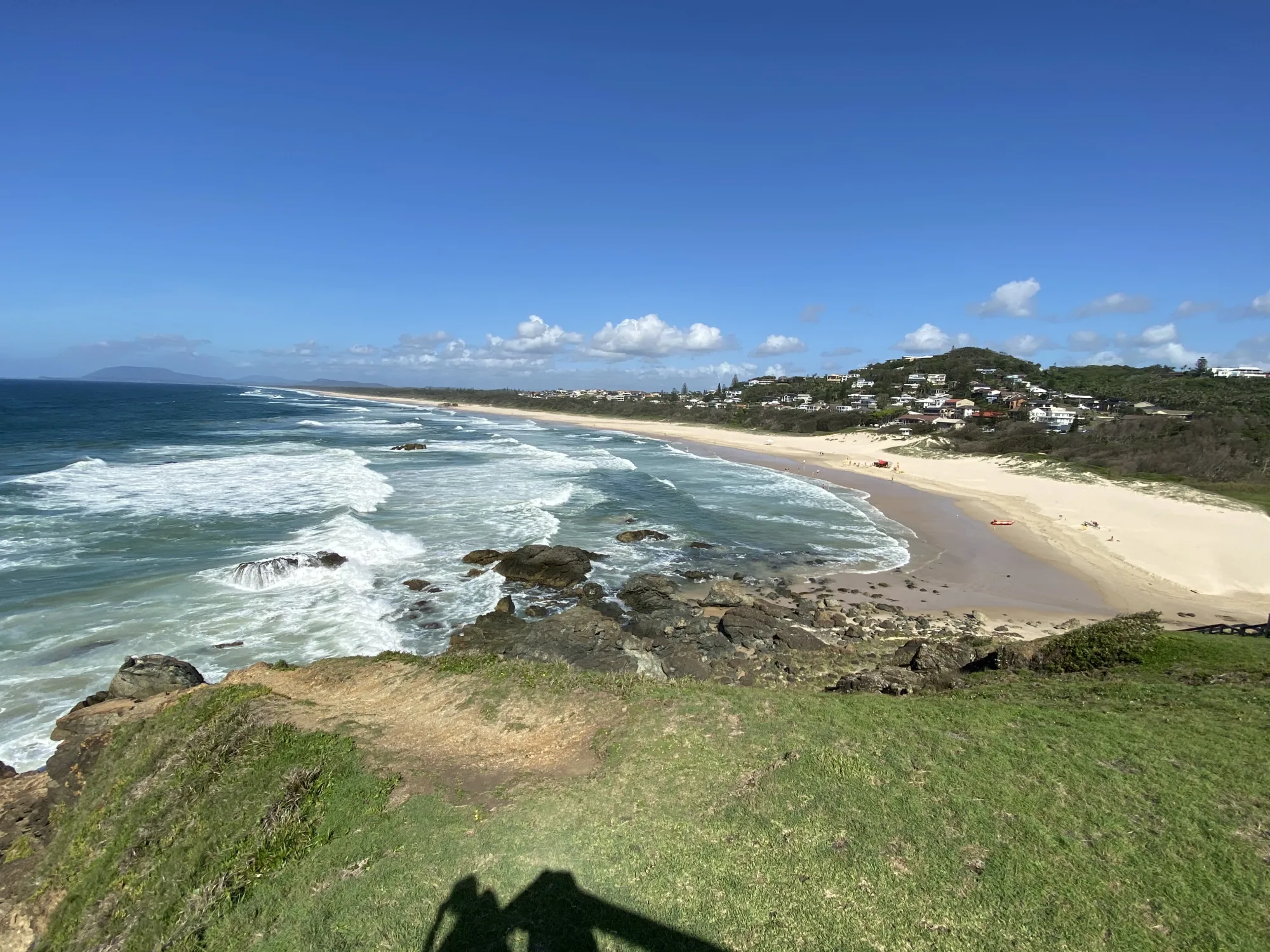
Port Macquarie is compact enough for a simple weekend and varied enough to reward an extra night. The Hastings River meets the Pacific beside the town centre; beaches unfold south along Pacific Drive; and coastal rainforest reaches almost to the sand. It is on Birpai Country, a place with a living Aboriginal culture and a much longer story than its holiday-town reputation.
Why Port Macquarie works for a short break
You do not need to spend the weekend shuttling between distant attractions. Stay near the CBD or Town Beach and the river foreshore, breakwall, cafes, restaurants, playground, skate park and one of the town’s principal beaches are close together. Base yourself around Flynns Beach for a more residential beach holiday, or near Lighthouse Beach for sand, headland views and a quieter start to the day.
The drive from Sydney is long for a rushed one-night trip. Two nights is workable if you leave early; three nights gives you time for the coastal walk, a proper beach day and a rainforest or wildlife visit without turning the return journey into the main event. Flying can make a two-night stay more practical, while NSW TrainLink rail services stop inland at Wauchope with a coach connection to Port Macquarie. Always confirm current flight, coach and rail timetables before booking.
The beaches: choose for the day, not just the name
Port Macquarie’s beaches face different directions and offer very different levels of shelter, surf and facilities. Conditions can change quickly, especially near the Hastings River entrance and on open beaches. Swim between the red and yellow flags whenever they are present, read the signs on arrival, and check current patrols and hazards rather than relying on a fixed seasonal timetable.
Town Beach
Best for: convenience, an early swim and families who want facilities close by.
Town Beach sits beside the CBD and river mouth. The council lists it as patrolled year-round, but currents near the river entrance can change, so the flagged area matters. The adjoining reserve has parking, picnic tables, seating, toilets, beach showers and a kiosk. At the northern end, the play space and surrounding reserve add a skate park, pump track, half basketball court, outdoor fitness equipment and accessible amenities.
Flynns Beach
Best for: a classic beach-day setup with shade, food and picnic facilities.
Flynns is backed by a grassy reserve and is commonly protected from southerly wind and swell, although easterly conditions can make it more difficult. Facilities include picnic tables, a barbecue, kiosk, toilets and showers. Patrols are seasonal, so check for flags on the day.
Lighthouse Beach
Best for: a long walk, surfing and pairing the sand with Tacking Point Lighthouse.
This long, south-facing beach stretches away from the lighthouse headland and can be protected from summer north-easterly winds. It is open ocean with strong currents possible. Patrols are limited to particular periods and locations; swim only in the flagged area when operating. The scale of the beach makes it good for a long walk even when swimming is not the right choice.
Shelly Beach
Best for: a picnic, rainforest atmosphere and a stop on the coastal walk.
Shelly Beach has a tidal lagoon area and sits beside Sea Acres National Park. It has shady picnic and barbecue facilities and nearby amenities, but it is not a substitute for a patrolled swimming beach. Strong rips can occur. Treat it as a beautiful nature stop unless current conditions and official safety advice say otherwise.
Oxley and Rocky beaches
Best for: quieter views and short sections of the coastal walk.
These smaller coves sit between Town Beach and Flynns. They are useful places to pause, picnic or watch the sea rather than default swimming choices. Oxley is close to town and permits dogs on leash; always check the current signs.
Nobbys Beach
Best for: travellers with dogs.
Nobbys is known as an off-leash dog beach. It is tucked between headlands but remains an unpatrolled ocean beach, so it is better approached as a walk-and-play stop than as the family’s main swimming beach.
Facilities and practical essentials
The CBD has supermarkets, pharmacies, cafes, restaurants and takeaway options. Beach kiosks are convenient but should not be your only plan outside busy periods; check trading hours.
Town Beach and Flynns have the strongest combination of parking, toilets, showers, food and picnic space. Facilities thin out at smaller coves and along longer walking sections.
A car is useful for Lighthouse Beach and outlying attractions, but the CBD, river foreshore and Town Beach work well on foot. Local buses, taxis and rideshare can support one-way coastal walks.
Accessible experiences include the upgraded approach at Tacking Point and the stair-free Sea Acres boardwalk. Conditions, gradients and assistance needs vary, so confirm details directly before travelling.
Town Beach combines sand with a large play space, skate and pump facilities, open grass and nearby food. Flynns offers a simpler picnic-and-swim setup when flags are operating.
Nobbys is the best-known off-leash beach; parts of Lighthouse Beach also allow off-leash access and Oxley allows leashed dogs. Boundaries and times can change—follow signs and council rules.
A town that gets up early: parkrun, races and triathlons
Port Macquarie is not only a place to lie on the beach. The foreshore, hills and coastal roads support a visible running, cycling, swimming and triathlon culture. On an ordinary weekend, that can mean sharing the promenade with runners before breakfast. On a major event weekend, it can mean road closures, crowded accommodation and a town-centre finish line.
Port Macquarie parkrun
The free weekly 5-kilometre Port Macquarie parkrun is held on Saturday mornings near the northern end of Town Beach and the breakwall. The published start time is 7am. Visitors can walk, jog, run, volunteer or spectate. Register with parkrun before your first event, bring the required participant barcode, arrive early enough for the first-timer briefing, and check the official event page for cancellations or course changes before leaving your accommodation.
IRONMAN 70.3 Port Macquarie and triathlon
Port Macquarie hosts IRONMAN 70.3 Port Macquarie alongside the town’s long association with IRONMAN Australia. The courses are built around a Hastings River swim, coastal cycling and a run through town. Children’s events have also formed part of race programs. The exact date, routes and race-week schedule can change between editions, so competitors and spectators should use the organiser’s current athlete guide rather than an old course map. Book early if your visit overlaps the event, and expect parking controls and road closures.
Running races and other events
The local calendar also includes a running festival with multiple distances, community fun runs, surf events, cycling and club sport. These events are a good reason to visit—but also a reason to check the calendar before choosing accommodation. If racing is your purpose, stay close enough to reach the start without relying on last-minute parking. If it is not, decide whether you want the atmosphere or a quieter date.
Koalas: the hospital, sanctuary and conservation story
Koalas are part of Port Macquarie’s identity, not merely a visitor attraction. The wider Hastings region supports one of New South Wales’ important koala populations, while habitat loss, vehicle strikes, dog attacks and disease remain serious threats. A responsible visit is an opportunity to learn about rescue, rehabilitation, habitat and the work required to return healthy animals to the wild.
Port Macquarie Koala Hospital
Koala Conservation Australia’s hospital on Lord Street treats sick and injured wild koalas and explains the rescue, clinical and rehabilitation work behind their care. The site has undergone major redevelopment, so check the official visitor page for current opening arrangements, tickets and what can be viewed before making it the fixed point of your day.
Guulabaa – Place of Koala
This is the region’s sanctuary-style koala conservation experience, around 15 minutes west of the CBD in Cowarra State Forest. Guulabaa means “Place of Koala” in the local Gathang language. Its Wild Koala Breeding Visitor and Education Centre lets visitors learn about a world-first program designed to breed genetically diverse koalas for release into suitable wild habitat. Resident koalas may be visible, but the natural breeding yards remain away from public view to minimise human contact. The precinct also includes forest paths, a cafe, the Big Koala sculpture and the separately operated WildNets adventure park.
Billabong Zoo Koala and Wildlife Park
Billabong Zoo is a separate, established wildlife park with a long-running koala breeding program, scheduled keeper talks and bookable encounters. It suits visitors looking for a broader zoo day as well as koalas. NSW rules do not allow visitors to hold koalas; check the zoo’s current program, prices and encounter conditions directly.
If you see a koala in the wild, give it space, keep dogs restrained and never crowd it for a photograph. Slow down in signed koala habitat, particularly around dawn, dusk and at night. Report a sick, injured or immediately threatened koala through Koala Conservation Australia’s rescue information.
Places to visit
Port Macquarie Coastal Walk
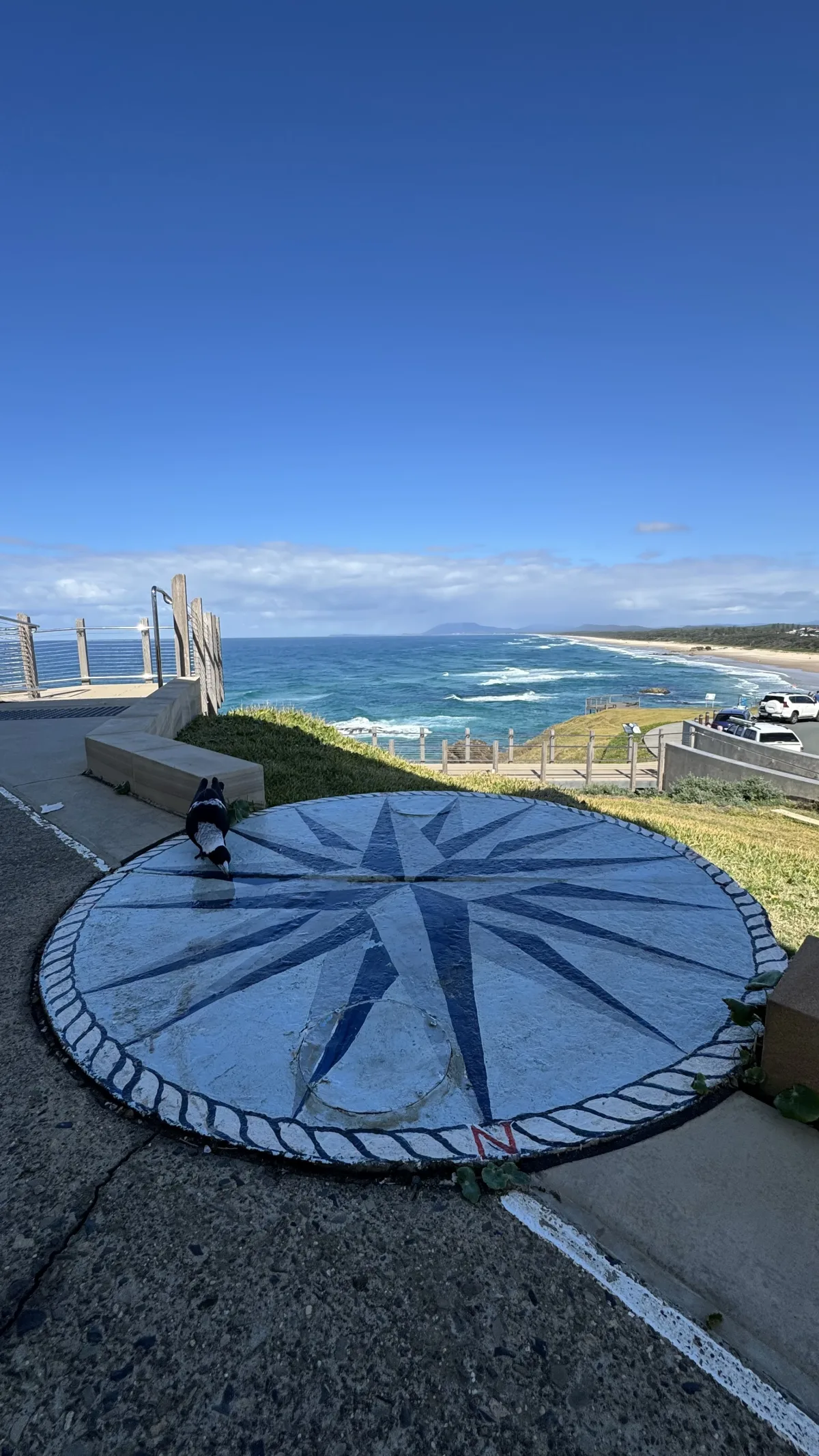
The full one-way coastal route runs for roughly nine kilometres from the river and Town Green area to Tacking Point Lighthouse. It links Town Beach, headlands, Flynns, Shelly Beach and Sea Acres. The route includes beaches, stairs and viewing platforms, so it is not uniformly accessible. Break it into sections if you want swimming, lunch or a return before the heat of the day.
Tacking Point Lighthouse
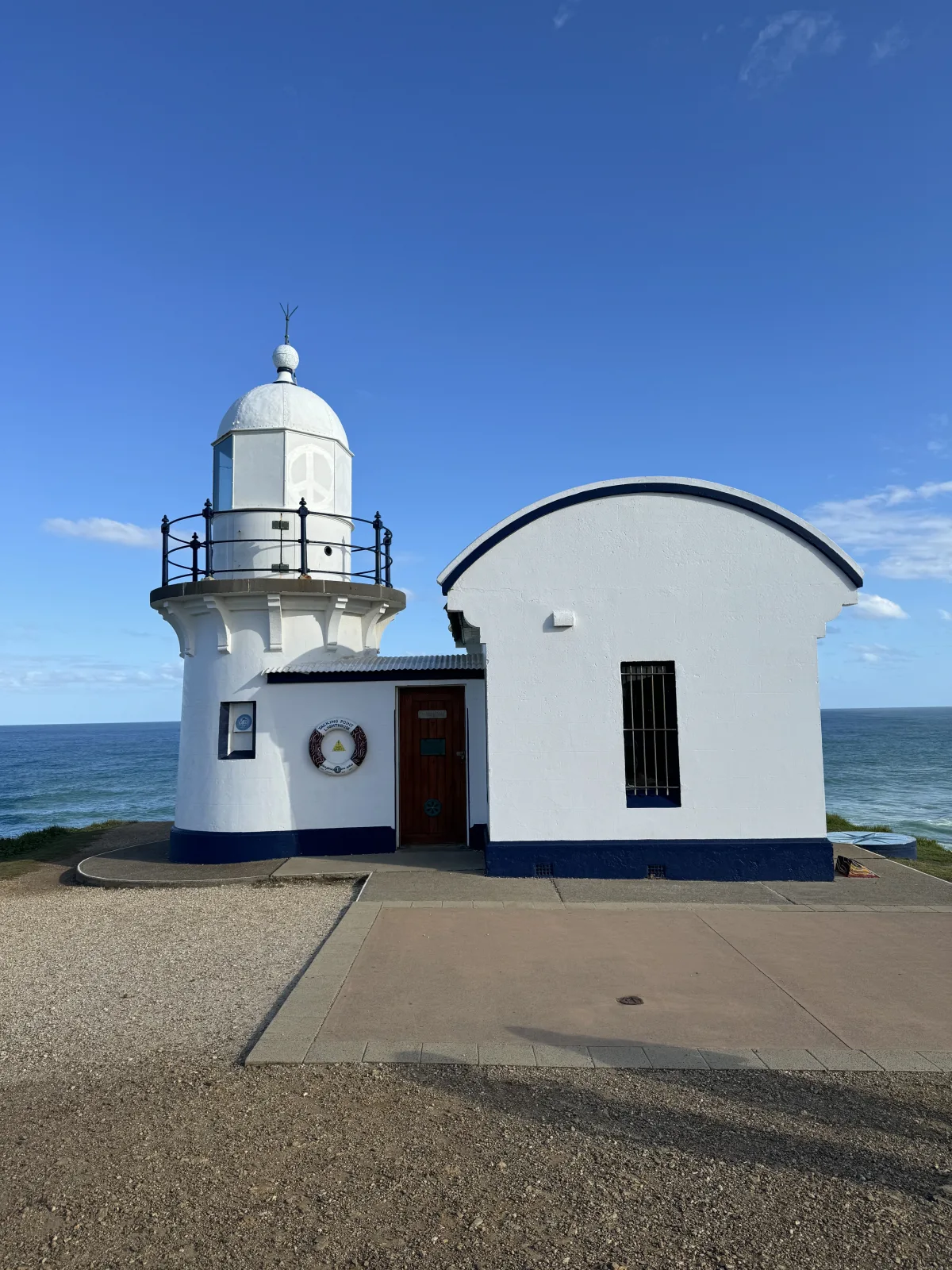
The small white lighthouse dates from 1879 and occupies one of the best coastal viewpoints in town. It is a strong sunrise or whale-watching stop during migration season. Recent access upgrades include an accessible walkway and additional accessible parking, though space can be tight at popular times.
Sea Acres Rainforest Centre and boardwalk
Sea Acres protects coastal rainforest that reaches towards the beach. Its 1.3-kilometre boardwalk is a Grade 1, stair-free loop with handrails, regular seats, accessible parking and toilets at the visitor centre. Entry fees and opening arrangements apply. It is an excellent hot-weather or light-rain alternative to exposed coastal walking.
Koala Hospital and Guulabaa
Choose the in-town Koala Hospital, the breeding and conservation experience at Guulabaa – Place of Koala, or allow time for both. Check current visitor arrangements before setting out.
Breakwall and Hastings River foreshore
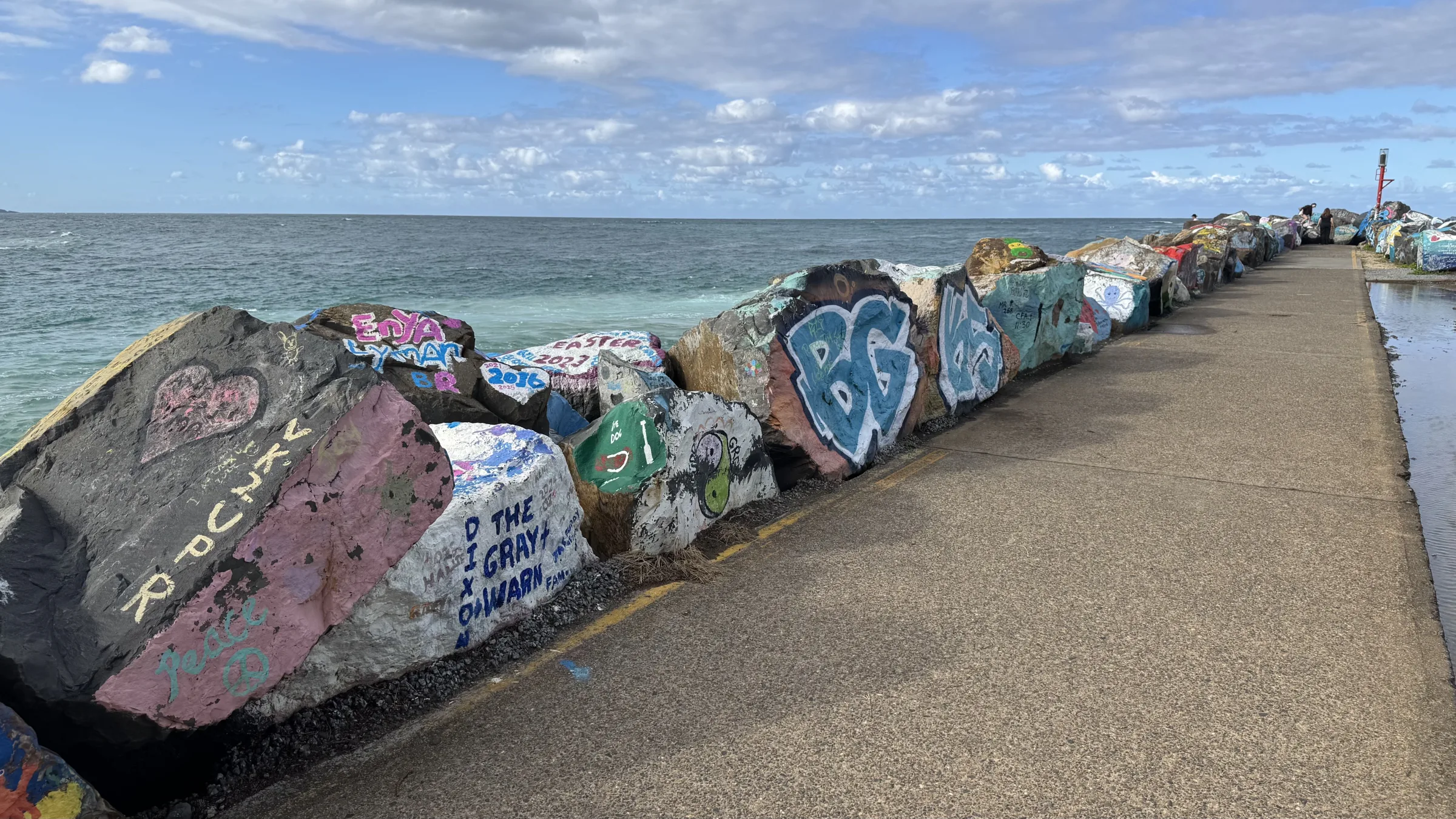
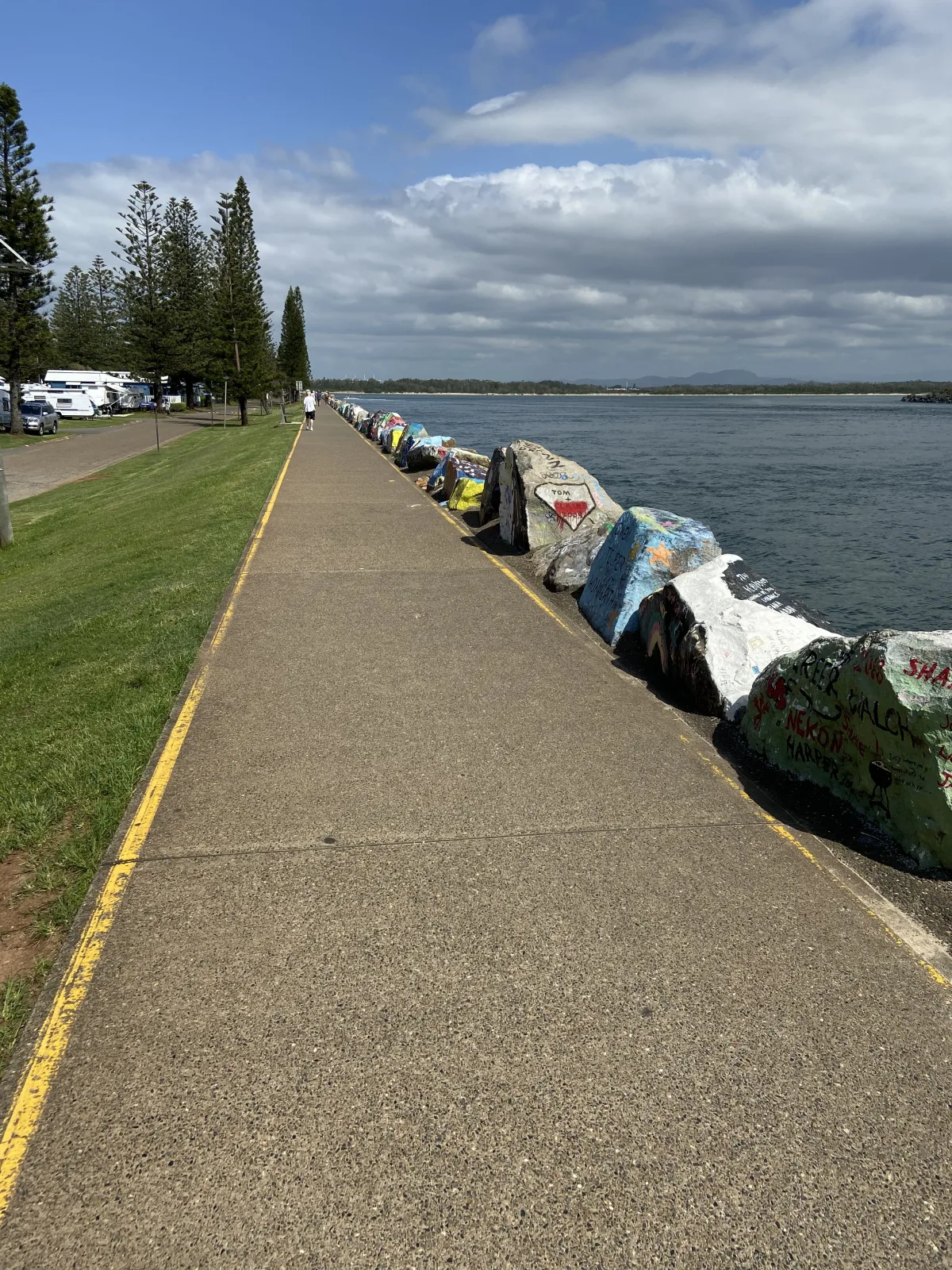
Painted rocks, river traffic, lawns and an easy path make the breakwall a low-effort first or last activity. Continue into the CBD and Town Green, or pair it with parkrun, breakfast and Town Beach.
Port Macquarie Museum and the Glasshouse
Use the museum for local history and the Glasshouse for exhibitions, theatre and regional art. They provide a useful wet-weather pairing in the centre of town and add context beyond the coastline.
Kooloonbung Creek Nature Park
This urban reserve offers boardwalks, birdlife and a green counterpoint to the beach. It is close enough to fit around a meal or an arrival afternoon, but conditions can be wet and insects active after rain.
Wauchope or the Camden Haven
With a third night, consider Wauchope for a hinterland change or head south towards Lake Cathie and the Camden Haven villages. Keep this as a separate half-day rather than trying to bolt several towns onto the same beach afternoon.
A practical two-night itinerary
Arrive and orient yourself
Check in near your chosen base, then walk Town Green and the breakwall before sunset. Keep dinner close to your accommodation. If a major sporting event is operating, confirm the next morning’s road closures before parking for the night.
Run, coast and rainforest
Join or watch parkrun if it is operating, then have breakfast near Town Beach. Walk one or two sections of the coastal path rather than forcing the full return distance. Spend the warmest part of the afternoon at Sea Acres, the Koala Hospital, the museum or the Glasshouse. Finish at Tacking Point if the light and weather suit.
Choose the safest beach for the conditions
Check flags, wind and swell before selecting Town Beach, Flynns or Lighthouse Beach. Use the reserve facilities for a slow breakfast or picnic, then leave enough daylight and energy for the drive home. If you have a third night, make Sunday the day for a longer coastal walk or a southern excursion.
When to go and what to pack
Port Macquarie is a year-round destination, but the ideal weekend depends on what you want to do. Warmer months favour early starts, flagged swims and shaded afternoon activities. Cooler months are comfortable for longer walks and overlap with whale migration viewing from coastal headlands. Rain can make the rainforest appealing while changing track, beach and creek conditions.
- Pack sun protection, drinking water and a light rain layer in every season.
- Bring proper walking shoes for the full coastal route; beach sections and stairs make it more than a paved promenade.
- For parkrun or a race weekend, add reflective gear, recovery clothing and anything required by the organiser.
- Do not assume every beach has flags, showers, food or accessible access.
- Check surf conditions, park alerts, event closures and the forecast on the morning of each activity.