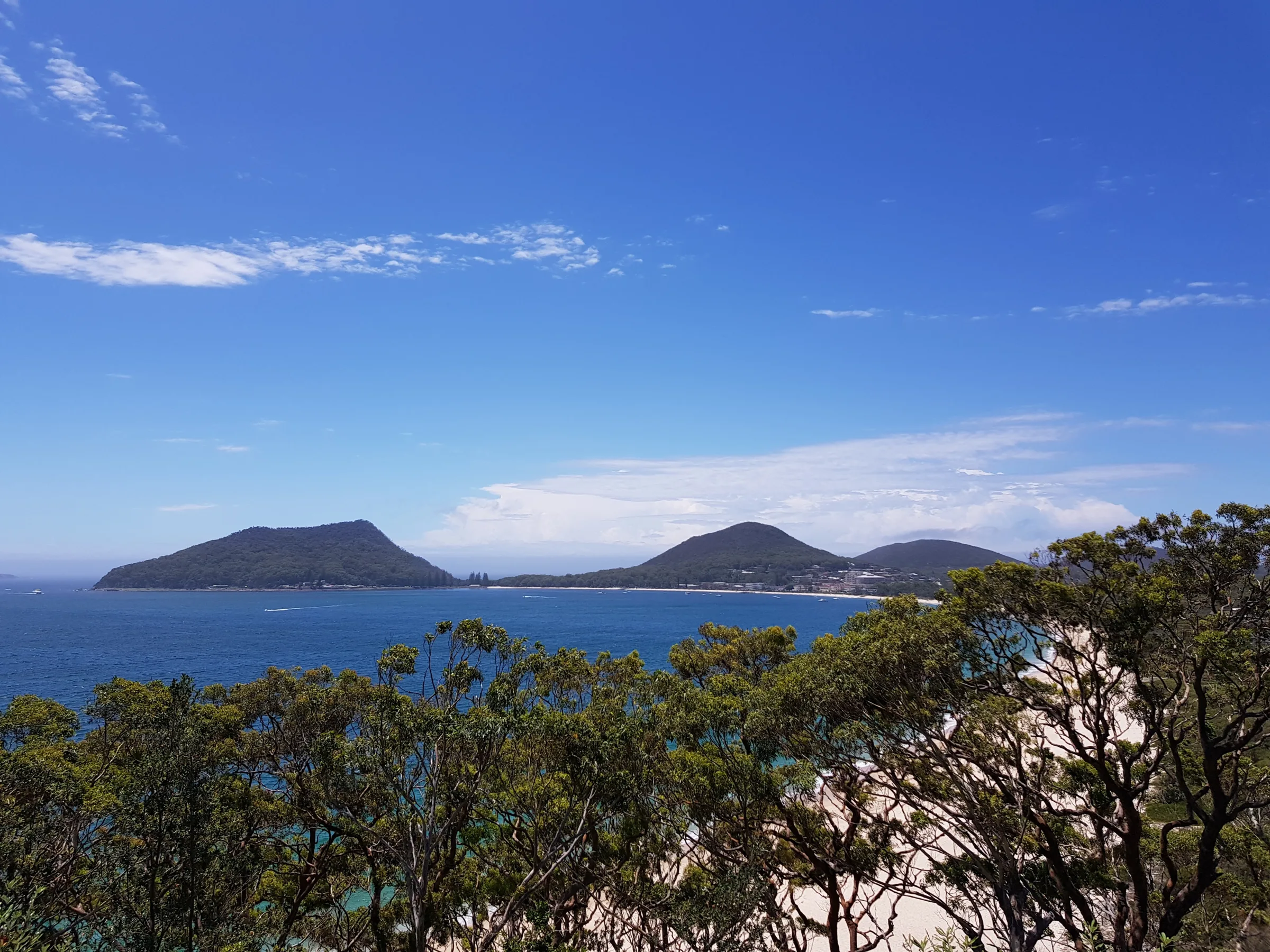
Port Stephens is not one town. It is a broad natural harbour, a chain of coastal villages, open-ocean beaches and the vast dune system of Stockton Bight. The best weekend comes from choosing one base and two big experiences—not trying to circle the entire region.
Why Port Stephens works for a short break
From the Sydney region, Port Stephens is close enough for two nights but varied enough to fill a week. The harbour side offers calm-water scenery, marinas and easy foreshore walks. The eastern peninsula rises into Tomaree National Park and falls to surf beaches. South-west of the main holiday villages, Birubi Point overlooks the Worimi Conservation Lands and their immense moving dunes.
The geography also creates a useful weather advantage: a windy or rough day on one side of the peninsula may still suit a walk, sheltered bay beach or inland activity elsewhere. Keep the itinerary flexible, check the forecast and surf conditions each morning, and avoid booking every hour around a single boat trip.
Where to stay: choose the weekend you want
Nelson Bay
Best for: first visits, restaurants, cruises and convenience.
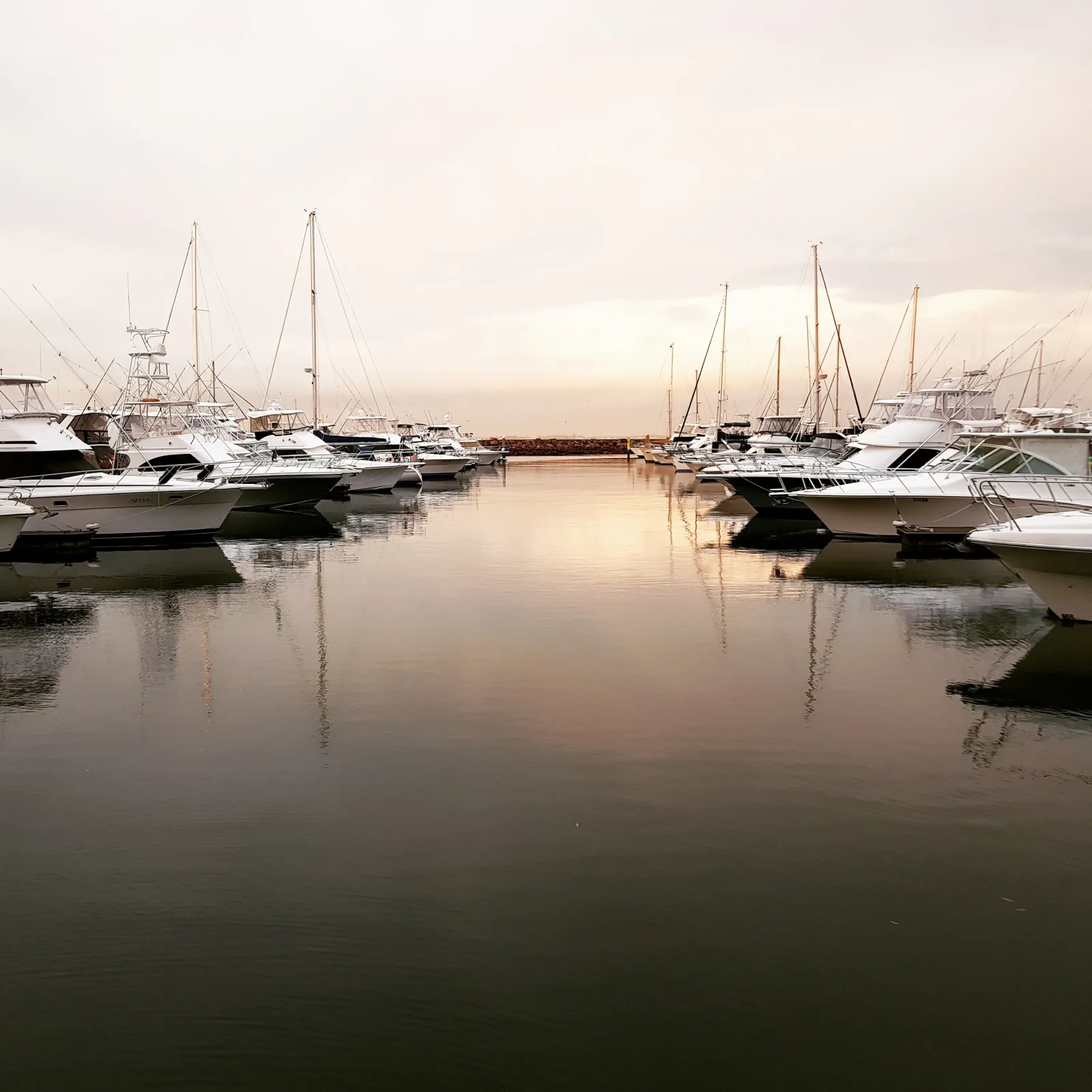
This is the peninsula’s practical centre. The marina, visitor services, shops, supermarkets, cafes and tour departures are close together. Stay near the centre if you want to walk to dinner and leave the car parked in the evening. It feels busier during holidays, but it gives the easiest all-round base.
Shoal Bay
Best for: a beach-first weekend and early access to Tomaree Head.
The village faces a bright arc of sand and relatively sheltered bay water, with cafes and the national park close by. It is an appealing base for morning walks and slow beach days. Parking becomes competitive on popular weekends, so accommodation with a space is valuable.
Fingal Bay
Best for: a quieter surf-beach base.
Fingal feels more residential than Nelson Bay and sits directly on an ocean beach. It suits travellers who are happy to drive for a wider dinner choice. Do not attempt to cross the sand spit to Fingal Island: water can cover it quickly and dangerous currents form around the crossing.
Anna Bay & One Mile
Best for: surf, dunes and a family holiday-park feel.
These southern bases put Birubi Point and the Worimi dunes at the centre of the trip. They are less convenient for marina cruises and Nelson Bay evenings, but better if your priorities are sandboarding, beach time and the southern sections of the Tomaree coast.
Corlette & Salamander Bay
Best for: families, apartments and a middle position.
These bay-side suburbs sit between Nelson Bay and Soldiers Point. They trade village atmosphere for space and straightforward access to shops. They work well when the accommodation itself—pool, kitchen or water view—is part of the holiday.
Soldiers Point
Best for: sunsets and a quieter harbour stay.
At the western end of the holiday peninsula, Soldiers Point is removed from the busiest visitor precincts and well placed for calm-water views. Choose it for still evenings rather than instant access to Tomaree Head or Birubi Point; most major activities require a drive.
The beaches: bay calm and open-ocean power
Port Stephens has both harbour beaches and surf beaches, and the distinction matters. Shoal Bay, Little Beach, Dutchmans Beach and Bagnalls Beach sit inside the harbour and are generally more sheltered. Fingal, One Mile and Birubi face the ocean and can have strong rips, changing banks and significant swell. Sheltered water is not automatically hazard-free, and not every popular beach is patrolled.
Port Stephens Council lists Birubi, Fingal and One Mile among the area’s patrolled beaches, with schedules varying by season and location. Look for red and yellow flags on the day, obey signs and lifeguards, and use Beachsafe for live patrol and hazard information. If there are no flags, choose a patrolled alternative rather than assuming yesterday’s conditions still apply.
A photogenic harbour beach with a foreshore reserve, picnic seating, shelters, barbecues, toilets, a jetty and village food nearby. Good for an easy morning, but verify swimming conditions locally.
A compact bay beach between Nelson Bay and Shoal Bay, useful for young families, picnics and sunset. The reserve and jetty make it a pleasant low-effort stop.
A long ocean beach with a surf-club setting and a dramatic view towards Fingal Island. Swim only in the flagged area when patrols operate and stay off the sand spit.
A broad surf beach backed by national park and holiday accommodation. It is a strong choice when flags are operating and a scenic walk when conditions rule out swimming.
The northern gateway to Stockton Bight and the dunes. Pair the beach with Birubi Point’s cultural interpretation and views; use flags and official access points.
Beautiful national-park coves south of Tomaree Head. Treat them as walking destinations first: access varies and these beaches can be unpatrolled with powerful ocean conditions.
Tomaree Head and the coastal walk
The Tomaree Head Summit walk is the signature short hike, but “short” does not mean easy. NSW National Parks rates the 2.2-kilometre return route Grade 5 and suggests 1.5 to 2 hours. It climbs steeply to platforms 161 metres above the entrance to Port Stephens, with views across Shoal Bay, Yacaaba Head, offshore islands and the beaches towards Fingal Bay. Wear sturdy shoes, carry water and avoid the hottest part of a summer day.
Near the base, the Fort Tomaree walk adds Second World War military remains. For a gentler taste of the coast, choose one village-to-village section rather than treating the full route as a casual outing. The 27-kilometre Tomaree Coastal Walk links Tomaree Head with Birubi Point across Worimi Country and is designed for two or three days, though shorter sections work well for a weekend.
Tomaree Head Summit
Do it early, allow time for the steep descent and check park alerts before leaving. The summit is also a whale-watching vantage point during migration season, generally from May to November.
Shoal Bay to Fingal Bay
This five-kilometre one-way Grade 3 section begins near Zenith Beach and links forest, headlands and secluded beaches. NSW National Parks suggests 1.5 to 2.5 hours; organise the return before setting out.
Birubi Point to One Mile
A 7.5-kilometre one-way Grade 3 walk with coastal views, rock platforms, forested gullies and Worimi cultural context. Allow roughly 4 to 4.5 hours and check tides, weather and alerts.
Iris Moore lookout
Near Fishermans Bay, this is an easier, accessible viewpoint on the southern coast and a useful alternative when a steep summit is not right for your group.
Worimi Country and the Stockton Bight dunes
Birubi Point is more than the place where the dunes begin. It is a declared Aboriginal Place with deep significance to the Worimi People. Cultural artwork and audio interpretation explain connections to the land, sea, sky and the landmarks visible from the headland. Pause here before treating the landscape as an adventure backdrop.
South of the point, the Worimi Conservation Lands protect 4,029 hectares and include the largest moving coastal sand dunes in the Southern Hemisphere. The land is owned by the local Worimi Aboriginal community and jointly managed with NSW National Parks. Guided sandboarding, cultural, quad-bike and 4WD experiences operate in the area; choose an authorised operator and stay within the activity’s rules.
Driving onto the beach is not an ordinary scenic detour. A specific beach vehicle permit is required, annual NSW national park passes are not valid, and drivers need suitable equipment and an understanding of tides, soft sand and signed access restrictions. For most weekend visitors, a guided tour is the simplest and most informative option.
Dolphins, whales and time on the water
Port Stephens is known for bottlenose dolphins inside the harbour and for migrating humpback whales offshore. Wildlife cruises commonly depart from Nelson Bay, while kayak, stand-up paddleboard, sailing and fishing options make the protected water useful even when a long cruise is not the right fit. Sightings are never guaranteed: weather, sea state and the animals determine the day.
Whale-watching trips and headland viewing are seasonal, with the broader migration period generally running from May to November. Dolphin-focused cruises operate on different schedules. Compare trip length, vessel accessibility, shade, toilets, age limits and cancellation policies before booking. If anyone is prone to seasickness, an open-ocean whale trip needs more preparation than a sheltered harbour cruise.
From shore, try the Nelson Bay foreshore, Little Beach, Shoal Bay or the headlands, but keep expectations realistic. Give wildlife space, never feed it and choose operators that explain their environmental practices and follow approach rules.
More places worth your time
Nelson Bay foreshore and marina
Use the marina for cruise departures, visitor information and an easy waterside walk. Continue towards Fly Point or Little Beach rather than moving the car between every short stop.
Gan Gan Lookout
A drive-up viewpoint above Nelson Bay that helps make sense of the peninsula, harbour and distant dunes. It is a useful arrival stop, though parking and visibility can be limiting at busy or cloudy times.
Fly Point–Halifax aquatic reserve
A protected shoreline close to Nelson Bay known for clear water and marine life. Snorkelling suitability depends on conditions, visibility, tides and ability; use designated access and do not touch or remove marine life.
Fingal Bay and Barry Park
Combine the beach with a headland picnic and seasonal whale watching. Respect closure signs and never use the exposed sand spit as a shortcut to Fingal Island.
Soldiers Point
Head west for a slower harbour edge, marina views and sunset. It works well as the final stop after a busy day, provided you are not then driving back across the peninsula for dinner.
Port Stephens Koala Sanctuary
A conservation-focused attraction with elevated viewing and accommodation options. Check current admission, tour times and accessibility directly rather than building the day around old listings.
Tea Gardens and Hawks Nest
Across the harbour, these towns suit a longer stay or a separate day. Seasonal and commercial ferry arrangements can change, so verify the current operator and return service before leaving Nelson Bay.
Oakvale Wildlife Park or Fighter World
Both sit closer to the airport and main approach roads than to Shoal Bay. They make useful arrival, departure or wet-weather stops without requiring another cross-peninsula loop.
Families, accessibility and practical details
Build around one big activity per day. Shoal Bay and Little Beach reserves, short foreshore walks and a dune tour are easier to combine than a summit hike, cruise and long beach afternoon.
Birubi Point has step-free outdoor pathways and nearby accessible parking. Iris Moore lookout is promoted as an accessible viewpoint. Individual boats, beaches and lookouts vary—confirm details directly.
Nelson Bay and Salamander Bay have the widest practical choice. Smaller beach villages cover everyday needs, but late-night and off-season trading can be limited.
A car is the simplest option for a mixed itinerary. Local buses connect key villages, but service frequency can shape the day. Walking works best within Nelson Bay, Shoal Bay or a single foreshore pocket.
Tomaree Head, Shoal Bay, Birubi Point and popular beaches fill early on summer and holiday weekends. Start early, use legal spaces and never turn a tight car park into a reason to rush a walk.
Rules vary across council beaches, reserves, national park and conservation land. Check current signs and council maps; do not assume a quiet beach permits off-leash access.
A practical two-night itinerary
Arrive, park and meet the bay
Check in at Nelson Bay or Shoal Bay, then walk the foreshore rather than adding another drive. Confirm the next day’s park alerts, cruise status and beach patrols over dinner. If sunset matters, choose Little Beach or Soldiers Point according to where you are staying.
Climb early, then slow down
Walk Tomaree Head early with water and proper footwear. Return for breakfast or lunch in Shoal Bay, then choose one weather-dependent afternoon: a flagged swim, a short coastal section, snorkelling in suitable conditions or quiet time by the harbour. Keep the evening close to your base.
Worimi culture and the dunes
Drive to Birubi Point, spend time with the cultural interpretation and look across Stockton Bight. Join a pre-booked authorised dune experience or walk a manageable coastal section. Leave a daylight buffer for the trip home and check Live Traffic NSW before joining the highway.
If you have a third night
Use the extra day to go deeper, not wider. Book a wildlife cruise and keep its surrounding half-day flexible; walk a longer section of the Tomaree Coastal Walk with return transport organised; or spend a full slow day between Fingal Bay, Barry Park and the southern headlands. A third night also makes an arrival or departure stop near Williamtown practical.
When to go and what to pack
Summer brings warm water, long days and peak demand. Book accommodation early, start exposed walks at first light and expect pressure on beach parking. Autumn often suits a mix of swimming and walking. Cooler months are comfortable for hiking and overlap with whale migration, while spring can combine active wildlife with variable wind.
- Pack reef-safe sun protection, drinking water, a hat and a light rain layer in every season.
- Bring sturdy, enclosed shoes for Tomaree Head and coastal tracks; thongs are not summit footwear.
- Add binoculars for headland wildlife watching and a dry bag for small valuables on water activities.
- Check National Parks alerts, Beachsafe, the weather and Live Traffic NSW on the day—not only when booking.
- Keep a flexible half-day in reserve for wind, swell, rain or a cancelled cruise.