Sector Snapshot
Explore occupation pathways, licensing checks and role ideas using official labour-market sources.
Check occupation and salary sources →Review Australia’s recruitment cycle, priority sectors, and credential checks in one reference. This guide sets out the documents you must prepare, the standards employers apply, and the support services that sustain your development after you commence work.

Track each stage of the Australian job search, from labour market research and CV adaptation to interview follow-up and probation planning. The guidance below explains how to align your experience with local selection criteria, maintain compliance, and plan the professional development tasks that support long-term employment.
Explore occupation pathways, licensing checks and role ideas using official labour-market sources.
Check occupation and salary sources →Boards, interview tactics and official pay-source checks for Australian applications.
Prepare Australian job applications →Decode office etiquette, rights, and the networking rituals that unlock hidden roles.
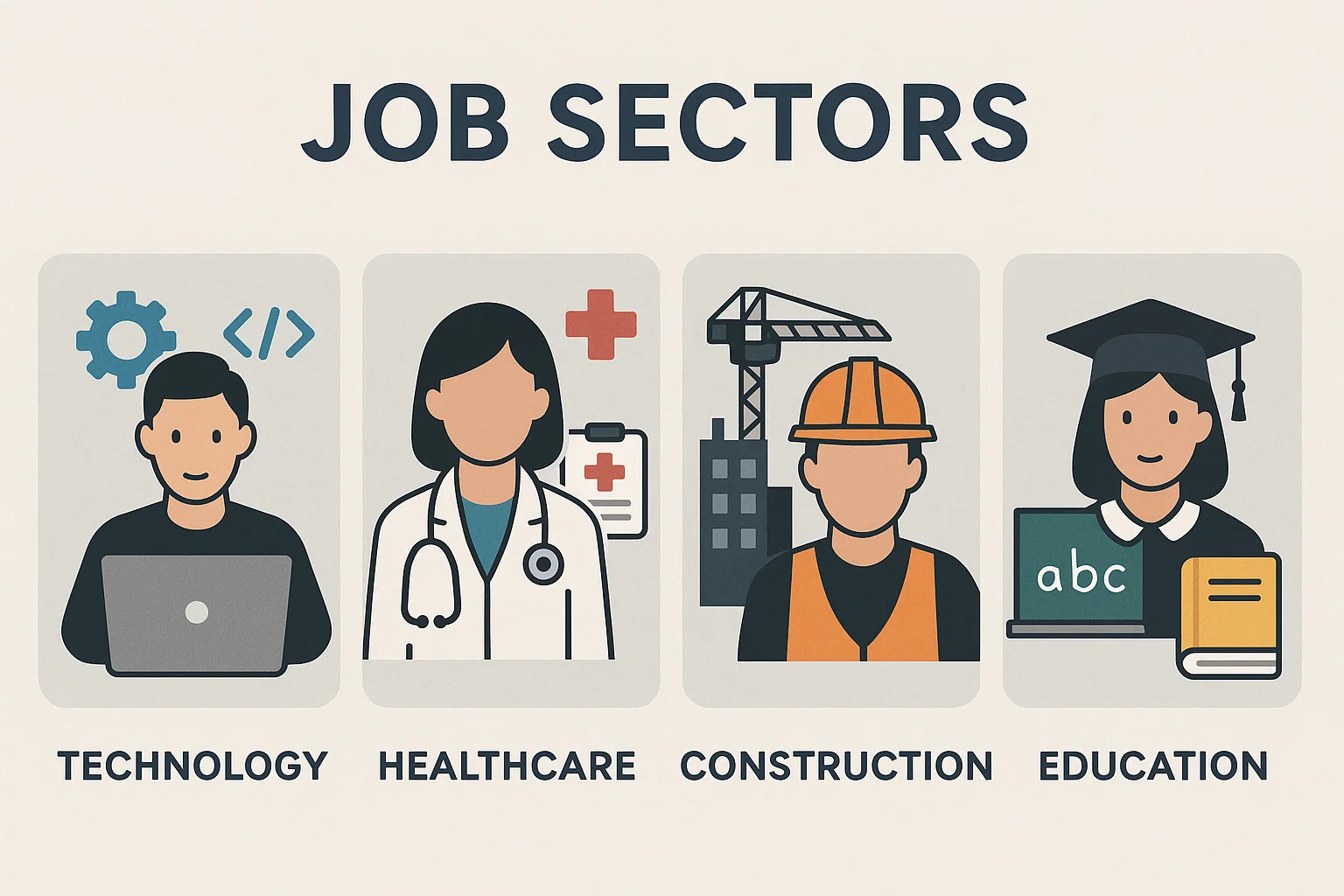
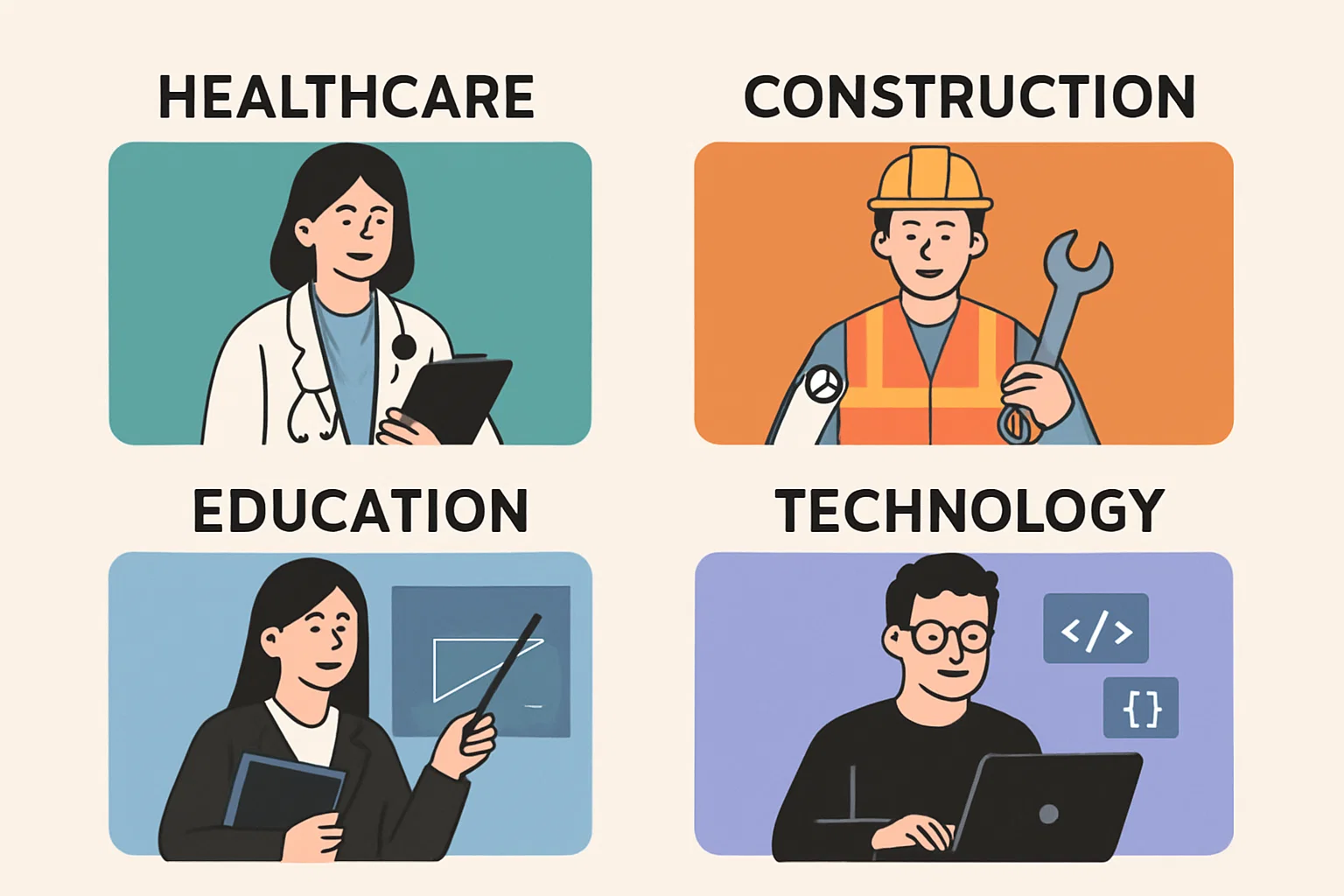
Plan interviews and networking →Keep these sectors on your radar while scanning the market. Use official occupation, earnings and award sources before drawing conclusions about pay or demand.
Growing demand varies by occupation, location and labour-market cycle.
Roles to explore:
• Registered Nurses
• General Practitioners
• Allied Health
• Mental Health Workers
Digital transformation affects hiring needs differently by occupation, employer and location.
Areas to research:
• Software Engineering
• Data Science
• Cybersecurity
• Cloud & DevOps
Trade pathways can require Australian licensing, apprenticeship evidence or state registration.
Popular trades:
• Electricians
• Plumbers
• Carpenters
• HVAC Technicians
Education roles can require state teacher registration, approved qualifications and working-with-children checks.
Opportunities:
• Primary Teachers
• Secondary Teachers
• Special Education
• VET Trainers
Engineering pathways can involve qualification assessment, registration expectations and sector-specific evidence.
Specialisations:
• Civil Engineers
• Mechanical Engineers
• Software Engineers
• Environmental Engineers
Community roles may require checks, credentials and employer-specific compliance.
Key roles:
• Social Workers
• Aged Care Workers
• Disability Support
• Community Services
Localise your job search with platforms employers trust, Australian CV standards and official pay-data checks.
SEEK: Large Australian job board with filters by location and work type
Indeed: Global platform with local filters
LinkedIn: Networking plus hidden job market
CareerOne: Broad coverage across industries
Format: 2-3 pages, reverse chronological
Include: Professional summary and quantified wins
Avoid: Photos, excess personal details, references
Tailor: Mirror keywords in each job description
STAR Method: Situation, Task, Action, Result
Research: Company values and recent news
Questions: Prepare thoughtful follow-ups
Follow-up: Thank you email within 24 hours
The previous broad salary calculator has been removed because it did not document a reliable dataset or methodology. Use these sources instead.
| Question | Official source | How to use it |
|---|---|---|
| What does this occupation involve? | Jobs and Skills Australia Labour Market Insights | Check occupation title, data period, employment profile and regional context. |
| What minimum pay applies? | Fair Work Pay and Conditions Tool | Use the relevant award, classification, age and employment type. |
| What do earnings datasets show? | ABS earnings and working conditions | Read whether figures are average, median or another published measure. |
| Can I work in this occupation? | State licensing and registration authorities | Check credential recognition, registration, supervised practice and police or working-with-children checks. |
Strengthen technical knowledge and interpersonal capabilities through Australia’s key learning providers.
Technical focus:
• Cloud computing (AWS, Azure)
• Data analysis & visualisation
• Programming languages
• Digital marketing
• Project management
Build these:
• Storytelling & presentations
• Critical thinking & problem solving
• Adaptability & resilience
• Leadership & teamwork
• Emotional intelligence
Start here:
• LinkedIn Learning (often free via libraries)
• Coursera & edX university partners
• TAFE Digital and micro-credentials
• Industry-specific certifications
• Udemy & Skillshare short courses
Understand what employers expect once you land the role—from performance reviews to your rights under the Fair Work Act.
Informal, collaborative, and egalitarian with direct communication.
Cultural norms:
• First names at every level
• Open-door management
• Team-based decisions
• Social events & morning teas
• Respectful but candid feedback
Comprehensive protections cover wages, leave, and safe workplaces.
Your rights include:
• National Employment Standards
• Unfair dismissal safeguards
• Equal opportunity laws
• Workplace health & safety
• Optional union membership
Regular feedback loops anchor promotions and professional development.
What to expect:
• Quarterly check-ins
• Annual performance reviews
• Goal setting and KPIs
• Development budgets
• 360-degree feedback
Merit-based advancement supported by mentoring and internal mobility.
Growth strategies:
• Internal job boards
• Mentorship programs
• Training allowances
• Leadership pipelines
• Cross-functional projects
Hybrid set-ups are mainstream with digital tools enabling collaboration.
Common setups:
• Hybrid 2-3 days in office
• Fully remote contracts
• Flexible hours
• Hot-desking
• Digital collaboration suites
Approach the hidden job market with structured event planning, a professional digital presence, and well-managed internal connections.
Industry associations and alumni groups open doors to mentors and roles.
Plug into:
• Industry associations
• Alumni chapters
• Business chambers
• Professional meetups
• LinkedIn communities
Major cities host conferences, breakfasts, and after-hours mixers every month.
Focus on:
• Flagship conferences
• Professional breakfasts
• After-work mixers
• Skills workshops
• Startup & innovation nights
Formal and informal programs keep careers moving forward.
Find support via:
• Company mentor schemes
• Industry mentor matching
• Reverse mentoring
• Peer circles
• Executive coaching
Authenticity matters more than formality—follow up fast and add value.
Best practice:
• Be genuine and helpful
• Offer support before asks
• Keep notes on contacts
• Share relevant articles
• Schedule periodic catch-ups
Use LinkedIn and other professional communities to identify employers, learn role language and follow application instructions.
Do this weekly:
• Refresh your headline & summary
• Share commentary on industry news
• Join niche groups
• Engage with others’ posts
• Personalise connection requests
Internal networks power promotions—build allies across teams.
Try this:
• Cross-functional projects
• Social committees
• Informal coffee chats
• Volunteer for initiatives
• Lunch & learn sessions
Stay ahead of the curve with macro shifts shaping Australia’s future of work.
AI and automation are creating new hybrid roles. Pair technical know-how with creative problem solving to stay competitive.
Net-zero commitments are unlocking demand for renewable energy, circular economy, and sustainable agriculture specialists.
Hybrid working is now default, pushing companies to invest in collaboration tech and flexible offices.
Micro-credentials and on-demand courses let workers upskill quickly as roles shift.
Organisations are investing in inclusive cultures and diverse hiring pipelines to drive innovation.
Project-based work and side hustles offer autonomy while supplementing income across industries.