Medicare enrolment
Check eligibility, documents and online application steps through Services Australia.
Start checklist →Follow a structured checklist for enrolling in Medicare, assessing private cover, and identifying day-to-day services before you need them. The guidance below clarifies eligibility rules, typical waiting periods, and the documentation to bring when booking your first appointments or seeking urgent care.
Medicare access depends on citizenship, permanent residence, visa status, reciprocal healthcare arrangements and personal circumstances. Some temporary residents need private health cover or Overseas Student Health Cover instead.
This page explains what to check and where to apply. It does not claim that all GP visits, emergency care, hospital treatment, dental care or medicines are free.
Check eligibility, documents and online application steps through Services Australia.
Start checklist →Separate bulk billing, Medicare rebates and PBS co-payments before budgeting.
Read the rules →Use official comparison tools and check waiting periods before relying on a policy.
Compare safely →Follow Services Australia’s current instructions and keep copies of the documents you submit.
Medicare rebates and bulk billing are different. A bulk-billing doctor accepts the Medicare benefit as full payment for that service. Other clinics may charge a gap above the Medicare rebate.
Ask whether the clinic bulk bills your category of patient, charges a gap, or requires payment before claiming a Medicare rebate.
Medicare-eligible patients can receive treatment as public patients. People without Medicare or adequate reciprocal cover may be charged.
Emergency departments treat urgent cases, but billing and ambulance costs depend on Medicare eligibility, state rules, insurance and circumstances.
Reciprocal Health Care Agreements are country-specific and limited. Check Services Australia before assuming your treatment will be covered.
The Pharmaceutical Benefits Scheme subsidises many medicines for eligible people. Maximum co-payments and Safety Net thresholds can change, so this page links to the current official figures instead of hard-coding them.
Police, fire or ambulance: call 000 in a life-threatening emergency. For non-urgent health advice, use healthdirect or your state health service.
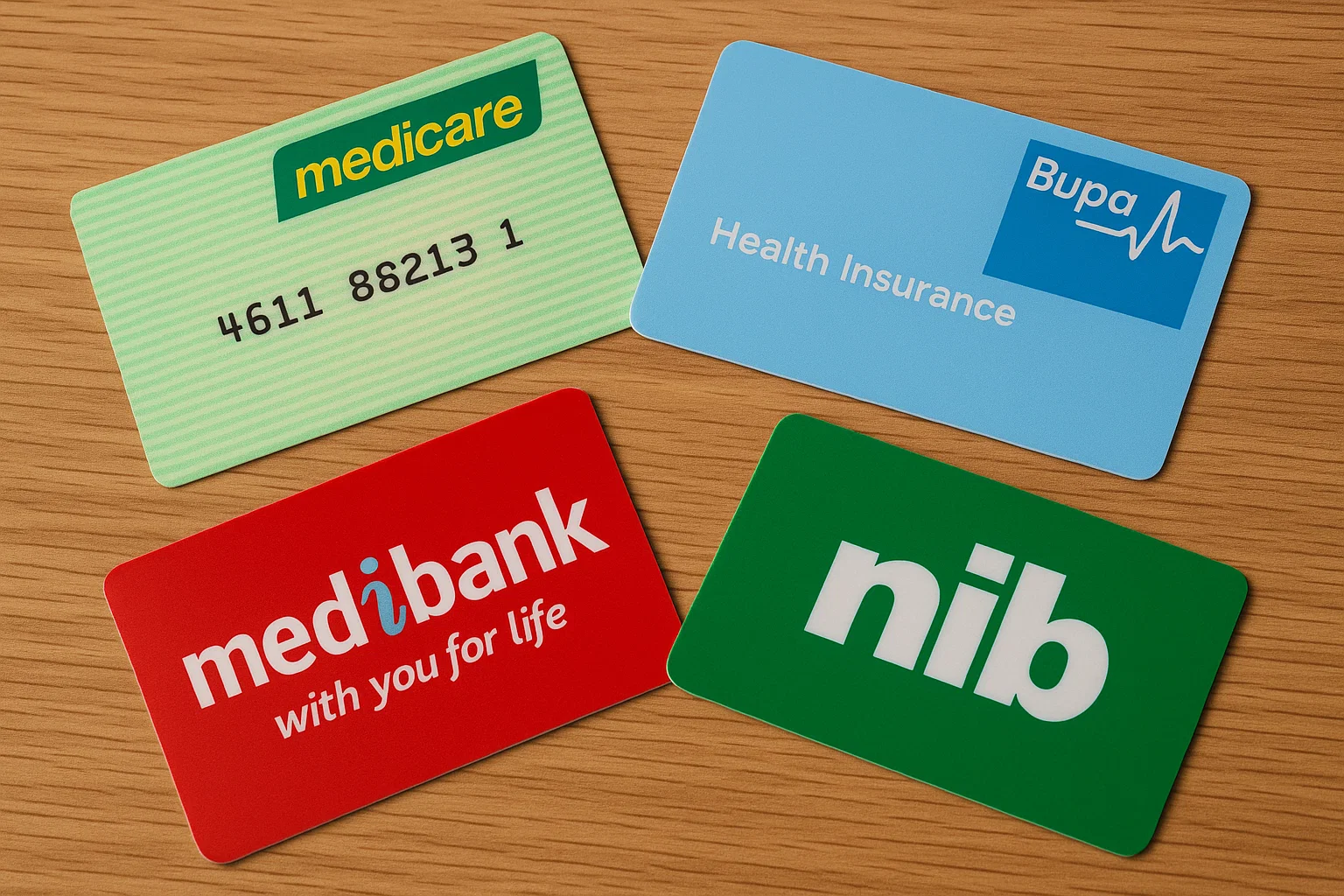
Private cover can help with private hospital treatment and extras such as dental or optical services, but policies vary. Check exclusions, waiting periods, excesses and visa-condition requirements before buying.